Defensive Strategies and Formation Drills
Explore comprehensive defensive positioning, zone coverage systems, and coordination drills designed to strengthen team defense and reduce scoring opportunities in competitive handball.
Understanding Defensive Positioning Fundamentals
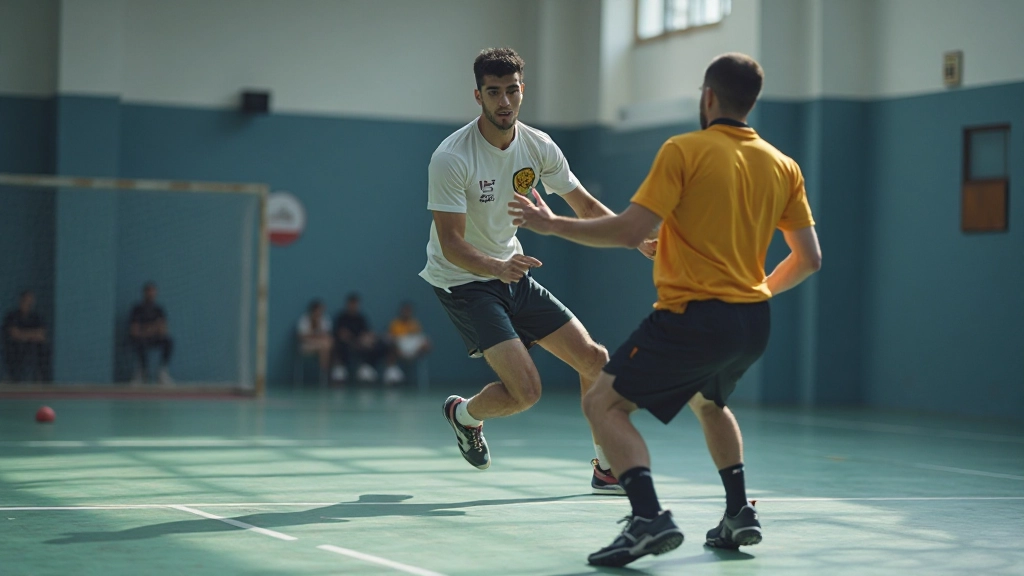
Effective handball defense begins with proper positioning and spatial awareness. The foundation of strong defensive play relies on understanding how players should position themselves relative to attacking opponents, teammates, and the goal. Defensive positioning encompasses the distance from the opponent, angle of body orientation, and readiness to react to sudden movements or passes.
Players must maintain a balanced stance with knees slightly bent, weight distributed on the balls of the feet, and arms ready to react. This athletic position enables rapid lateral movement, quick jumps, and immediate response to offensive threats. Proper footwork ensures defenders can follow attackers without fouling, maintaining legal defensive posture throughout the engagement.
Zone Coverage Systems and Responsibilities
Zone defense systems divide the court into specific areas where defenders take responsibility for all opponents within their designated zone rather than marking individual players. The 6-0 formation, 5-1 formation, and 4-2 formation each provide distinct advantages for different tactical situations. Understanding when and how to implement each system strengthens overall defensive flexibility.
Zone systems require constant communication and awareness as attacking players move through zones. Defenders must adjust positioning to maintain coverage while supporting teammates, creating defensive layers that compress the attacking space and force long-range shots with reduced accuracy.
-
6-0 Formation: Six outfield players in defensive line for balanced court coverage and adaptability
-
5-1 Formation: One advanced defender (libero) pressuring attackers with five backing defenders
-
4-2 Formation: Two pivot defenders providing deep coverage for long-range attacking attempts
Essential Coordination Drills for Defensive Excellence
Implementing structured drills develops the coordination, communication, and decision-making skills necessary for effective team defense. Regular practice of specific defensive scenarios builds muscle memory, improves reaction times, and reinforces proper positioning principles under game conditions.
Three-on-Three Pressure Drill
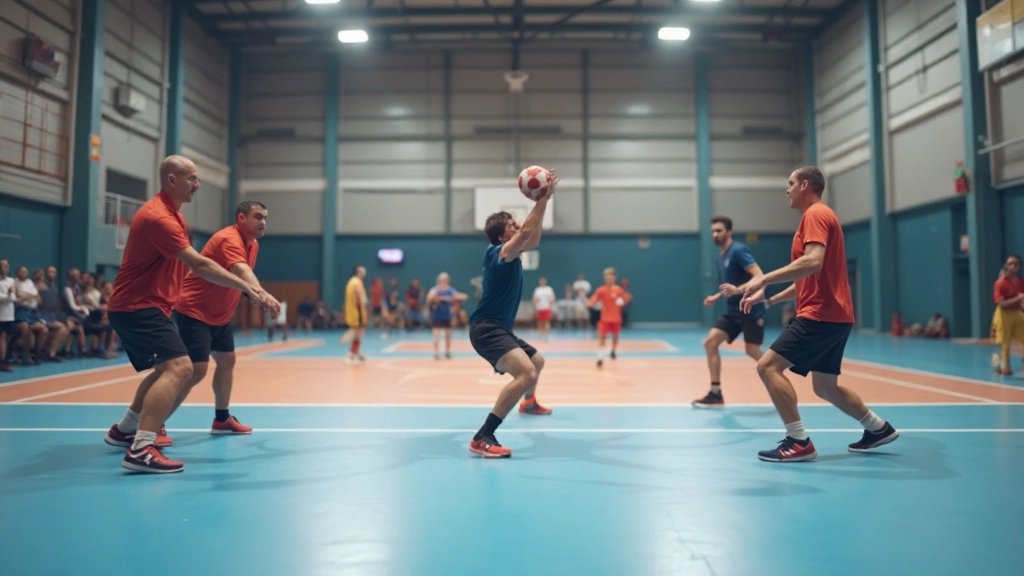
Small-sided drills with three attacking and three defending players teach defenders to maintain spacing, communicate assignments, and adjust to rapid ball movement. Players experience game-realistic scenarios in controlled environments, developing decision-making skills for zone transitions.
Wave Transition Drills
Players practice shifting between different defensive formations as attackers advance through zones. This drill emphasizes communication, quick lateral movement, and maintaining defensive integrity during formation changes. Repetition builds coordination and reduces hesitation during actual competition.
Shot-Blocking and Deflection Work
Dedicated practice on blocking shooting lanes, deflecting passes, and positioning to contest shots improves defensive pressure application. Defenders learn to time interventions correctly without fouling, understanding legal defensive contact and when to retreat versus advance.
Full-Court Game Simulation
Five-on-five or six-on-six scrimmages with specific defensive objectives allow players to apply learned principles against realistic offensive setups. Controlled feedback from coaching staff helps players recognize successful defensive sequences and identify areas for improvement.
Core Principles of Effective Team Defense
Communication
Constant verbal and non-verbal communication ensures all defenders understand assignments, formations, and adjustments during play. Clear communication prevents confusion and maintains defensive cohesion.
Spatial Control
Defenders compress available shooting and passing lanes, reducing attacking options and forcing opponents into lower-percentage situations. Proper spacing between defenders creates impenetrable defensive walls.
Support Structure
Every defender maintains awareness of supporting teammates and backs up fellow defenders. Support structure prevents isolation situations and ensures multiple layers of defensive coverage.
Reactive Agility
Defenders must react instantly to changing situations, adapting positioning and assignments as attackers move through zones. Quick lateral movement and directional changes maintain defensive effectiveness.
Peripheral Awareness
Successful defenders maintain vision of both direct opponents and overall court movement. Awareness extends beyond the immediate opponent to include potential threats and passing lanes.
Defensive Intensity
Sustained effort and physical commitment throughout entire matches define championship-level defense. Intensity in positioning, pressure application, and coverage maintenance frustrates attacking schemes.
Educational Information Disclaimer
This content provides educational information regarding defensive strategies, formation systems, and training methodologies in handball. The information presented serves informational purposes and does not constitute professional coaching advice, medical guidance, or formal instruction. Individuals implementing these defensive strategies should do so under appropriate supervision and adapt approaches based on their specific skill level, physical capabilities, and team context.
Coaching decisions, training intensity, and tactical implementation should be made in consultation with qualified coaching professionals who can assess individual and team circumstances. Results and effectiveness of specific strategies vary based on player development, competitive level, and contextual factors. Always prioritize safety and proper technique development in all defensive training activities.
Related Training Articles