Goalkeeper Training and Shot-Stopping Methods
Develop advanced goalkeeper techniques through specialized training protocols that enhance reflex speed, positioning accuracy, and decision-making under pressure. This comprehensive guide explores evidence-based methods for building elite-level shot-stopping capabilities.
Foundation and Core Techniques
Effective goalkeeper training begins with mastering fundamental positioning and movement patterns. The foundation of shot-stopping excellence rests on three core elements: body alignment, hand placement, and footwork coordination. These technical pillars enable goalkeepers to react effectively to varying shot trajectories and speeds.
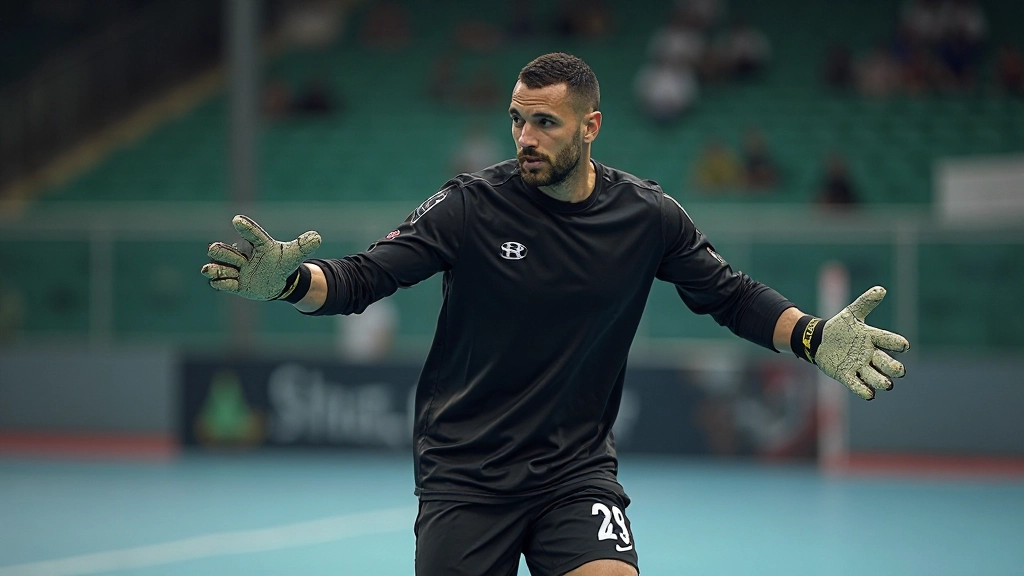
Proper stance forms the baseline for all defensive actions. Goalkeepers should maintain a balanced athletic position with knees slightly bent, weight distributed evenly on both feet, and upper body upright. This stance allows for explosive lateral movement and vertical extension when blocking shots. Hand positioning during neutral stance involves keeping arms at shoulder height with palms facing forward, creating a larger defensive surface.
Footwork patterns require systematic development through repetitive drills. Forward-backward movement, lateral shuffling, and diagonal transitions form the basis of goalkeeper mobility. Training these patterns under varying conditions—including fatigue simulation and pressure scenarios—develops the neuromuscular efficiency needed for consistent performance during competitive matches.
Reflex Development and Hand-Eye Coordination
Developing rapid reflexes requires targeted training that conditions the nervous system to react instinctively to visual stimuli. Reflex training differs from technique development—while technique involves conscious movement patterns, reflexes function at a neurological level below conscious awareness. Effective programs combine both approaches to create automatic responses to high-speed shots.
Key Training Methods
- Ball reaction drills using thrown or shot projectiles at varying speeds
- Visual tracking exercises with moving targets and unpredictable trajectories
- One-touch response training that minimizes processing time
- Multi-directional stimulus training with simultaneous visual inputs
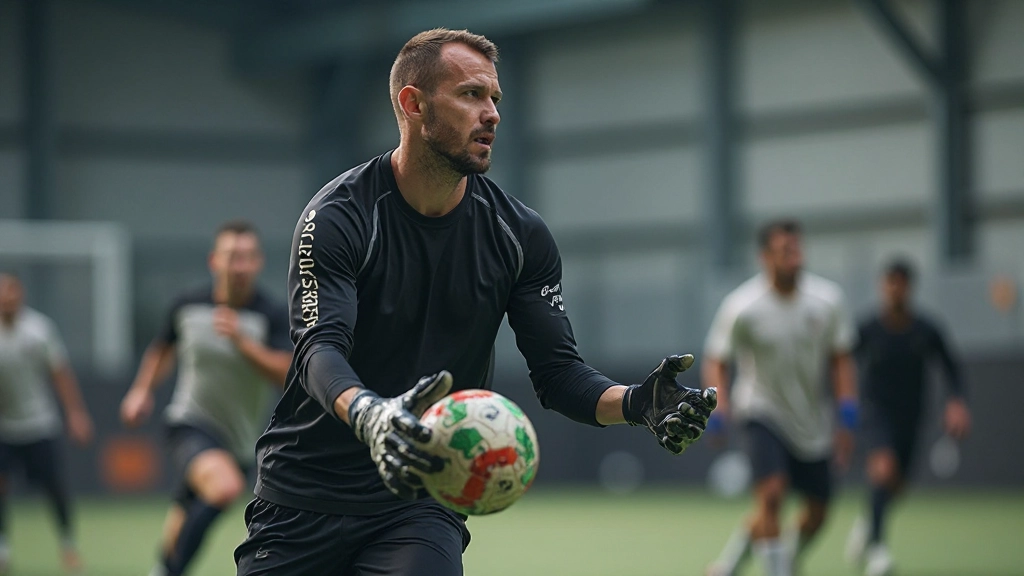
Hand-eye coordination training focuses on precision catching and deflection techniques. Specialized drills involve small ball handling, catching accuracy at various distances, and developing soft hands that absorb shot impact. Progressive difficulty ensures continuous nervous system adaptation. Training partners can throw balls from multiple angles, simulate game-speed shots, and introduce randomized trajectories to prevent predictable responses.
Reaction time measurements provide objective feedback on training progress. Standard testing protocols measure response latency to visual stimuli, typically ranging from 200-300 milliseconds for trained goalkeepers. Systematic training can improve baseline reaction speed while also enhancing consistency and reliability under match conditions.
Educational Information
This content provides educational information about goalkeeper training methodologies and shot-stopping techniques. It does not constitute professional coaching advice or medical guidance. Individual training programs should be adapted based on personal capabilities, experience level, and specific objectives. Consult with qualified handball coaches and sports medicine professionals before implementing new training protocols, particularly when recovering from injury or addressing specific performance concerns.
Positioning Strategy and Game Awareness
Strategic positioning represents a cognitive dimension of goalkeeper training distinct from pure reaction ability. Effective goalkeepers anticipate shot opportunities through reading attacking patterns, understanding opponent tendencies, and maintaining optimal depth in the goal area. This strategic awareness allows goalkeepers to reduce the distance shots must travel and increase save probability.
Depth Management
Maintaining appropriate distance from the goal line allows goalkeepers to intercept shots earlier while preserving escape space for diving saves. Training should develop awareness of optimal positioning against different attacking formations.
Shot Angle Coverage
Understanding geometry of shot angles enables goalkeepers to position themselves to maximize defensive coverage. Training involves analyzing different attack positions and developing positioning adjustments for each scenario.
Opponent Pattern Recognition
Elite goalkeepers develop ability to recognize attacking patterns and predict shot timing. Training involves game film study, pattern analysis, and developing anticipatory responses based on observable cues.
Movement Economy
Efficient positioning minimizes unnecessary movement while maintaining defensive readiness. Training develops the ability to move economically between positions without sacrificing reaction capability.
Game awareness training involves analyzing match situations, studying opponent tendencies, and developing decision-making frameworks for positioning adjustments. Video analysis of actual matches combined with simulation training accelerates the development of strategic positioning skills.
Advanced Drilling and Game Simulation
Specialized drilling protocols progress from isolated skill development toward integrated game simulation. Effective training bridges the gap between controlled technical practice and unpredictable match conditions. Advanced drills introduce variables that challenge goalkeepers to apply techniques under realistic pressure.
Sequence drilling involves multiple consecutive shots requiring quick recovery and repositioning between saves. This training method develops physical conditioning, mental resilience, and the ability to maintain focus across extended sequences. Progressive difficulty—increasing shot speed, varying angles, and reducing recovery time—ensures continuous adaptation.
Game-realistic drills incorporate offensive players, defensive support, and tactical scenarios that mirror match situations. These drills develop decision-making under uncertainty and reinforce techniques in contexts resembling actual competition. Training partners execute set plays, improvised attacks, and transition scenarios that challenge goalkeepers to adapt positioning and techniques dynamically.
Physical Conditioning and Injury Prevention
Goalkeeper-specific conditioning addresses the unique physical demands of the position. Explosive power development, rotational strength, and lateral stability form the basis of injury-resistant conditioning programs. Training should emphasize functional movement patterns that transfer directly to game performance.
Strength Development
Core stability, shoulder strength, and leg power form the foundation of goalkeeper conditioning. Exercises emphasizing rotational control, explosive hip extension, and upper body stability prepare the body for the demands of rapid directional changes and powerful save execution.
Endurance Training
Interval-based conditioning develops the aerobic capacity needed for sustained performance across full matches. Sport-specific endurance training incorporates repeated explosive movements with minimal recovery, mimicking match intensity patterns and preparing the cardiovascular system for competitive demands.
Injury prevention requires attention to common goalkeeper vulnerabilities including shoulder stability, knee alignment, and ankle mobility. Systematic warm-up protocols, flexibility development, and strengthening exercises targeting stabilizer muscles reduce injury risk. Monitoring training volume and managing accumulated fatigue prevent overuse injuries during intensive training blocks.
Key Takeaways
Foundation First
Mastering fundamental positioning, stance, and footwork establishes the base for all advanced shot-stopping techniques.
Reflex Training
Systematic reflex development through progressive drills improves reaction speed and consistency under match conditions.
Strategic Positioning
Game awareness and anticipatory positioning reduce shot distance and increase save probability through intelligent positioning.
Game Simulation
Advanced drills incorporating realistic match scenarios bridge the gap between isolated skill practice and competitive performance.
Physical Foundation
Sport-specific conditioning builds the strength, power, and resilience necessary for injury-resistant performance.
Continuous Adaptation
Progressive training methodologies ensure ongoing development and prevent performance plateaus across competitive seasons.