Essential Shooting Techniques for Handball Players
Effective shooting forms the foundation of handball success. Understanding and mastering fundamental shooting mechanics—including proper grip, footwork, body positioning, and follow-through—enables players to develop consistency, accuracy, and adaptability across various game situations and defensive pressures.
Grip and Hand Positioning Fundamentals
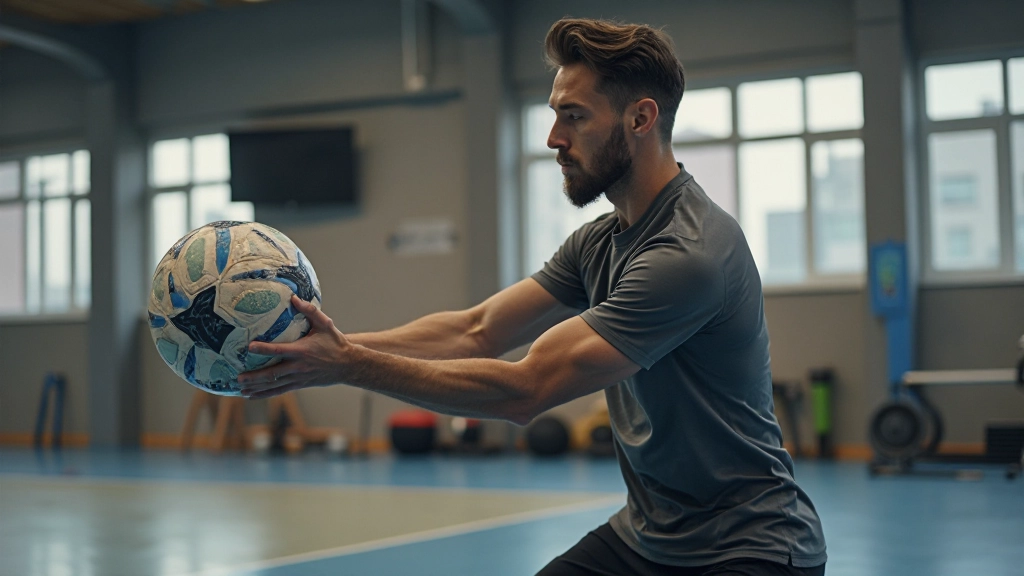
The grip represents the critical foundation for all shooting techniques in handball. Players should position the ball in their fingers rather than the palm, allowing for greater control and flexibility during the shooting motion. The ball rests on the fingertips with the thumb supporting from underneath, creating a stable yet mobile platform.
Proper hand positioning involves spreading the fingers across the ball's surface to maximize contact area and shooting control. The wrist maintains a slightly extended position, ready to facilitate the flicking motion that occurs during ball release. This positioning enables players to execute various shot types while maintaining accuracy under pressure.
Grip Checklist
- Ball rests on fingertips, not palm
- Fingers spread evenly across surface
- Thumb positioned underneath for support
- Wrist slightly extended and flexible
- Grip firm but not rigid or tense
Many beginning players make the mistake of gripping the ball too tightly, which restricts wrist mobility and reduces shooting accuracy. A firm yet relaxed grip allows the wrist to execute the necessary flicking motion for optimal ball trajectory. Regular grip drills help develop muscle memory and consistency throughout competitive matches.
Footwork and Body Alignment for Shot Execution
Footwork establishes the stability and balance necessary for accurate shooting. Players typically adopt a stance with feet shoulder-width apart, with the non-shooting shoulder pointing toward the goal. This alignment creates a natural rotational axis that facilitates smooth body rotation during the shooting motion.
The stepping motion varies depending on shot type and game situation. For standing shots, the shooter maintains a balanced stance with slight knee bend. Jump shots require explosive leg drive through both legs to generate power and elevation. The planting foot provides the foundation while the opposite leg drives upward, contributing to overall shot velocity and arc.
Progressive Footwork Patterns
- Basic Stance: Feet shoulder-width apart, knees slightly bent, weight balanced
- Side Step: Step with non-shooting side foot to adjust angle or create space
- Pivot Motion: Rotate on planted foot to adjust shooting angle without full step
- Jump Shot Approach: Two-step approach with explosive vertical jump at shot release
- Falling Away: Backward movement away from defender while maintaining shot accuracy
Proper alignment ensures that leg power transfers through the core and into the shooting arm, maximizing ball velocity. Players should maintain consistent spacing relative to the goal throughout their shooting motion, preventing the common error of stepping forward or backward during the release, which disrupts shot accuracy.
Educational Information
This content provides educational information regarding handball shooting techniques and training approaches. The techniques described represent common methodologies used in handball instruction and represent general approaches to skill development. Individual athletes may respond differently to various training methods based on factors including experience level, physical capabilities, athletic background, and coaching guidance.
Athletes should work with qualified coaches to assess their current skill level, receive personalized feedback, and develop training progressions appropriate for their specific circumstances. Proper coaching ensures techniques are executed safely and progressively integrated into competitive play.
Shot Accuracy and Follow-Through Mechanics
The follow-through represents the final and critical phase of the shooting motion, directly influencing shot accuracy and consistency. After releasing the ball, the shooting arm continues its motion in a downward arc, with the wrist executing a final flicking motion. This follow-through motion imparts spin on the ball and guides it toward the intended target.
A complete follow-through involves the fingers extending toward the goal, creating backspin that stabilizes the ball's trajectory. The arm finishes extended toward the target, and the body weight naturally transfers forward, completing the rotational motion. Players should maintain focus on the target throughout the follow-through, not watching the ball's flight.
Release Point Accuracy
The release point—the exact moment the ball leaves the hand—must occur consistently at the same height and distance from the body. This consistency develops through repetitive practice, allowing players to develop muscle memory that produces reliable shot placement regardless of game pressure or defensive coverage.
Target Acquisition
Players should identify and focus on their target area before initiating the shooting motion. This might involve aiming for specific zones within the goal, such as the upper corners or lower areas, depending on goalkeeper positioning and defensive configuration. Target focus improves decision-making speed during competitive play.
Developing Shooting Consistency
Shooting consistency improves through structured practice that emphasizes repetition and quality execution. Players benefit from drills that isolate specific phases of the shooting motion, building muscle memory for each component. Progressive drills introduce movement, defensive pressure, and fatigue elements that simulate competitive conditions.
Practicing shots from various distances, angles, and defensive scenarios develops adaptability. Players learn to adjust their shooting technique based on available space, defender positioning, and game situation. This adaptability transforms shooting from a mechanical skill into a contextual decision-making ability that proves valuable in competitive matches.
Shot Variation and In-Game Application
Effective shooters develop proficiency with multiple shot types, allowing them to respond to various game situations and defensive strategies. Each shot type emphasizes different technical elements while sharing foundational principles of grip, footwork, and follow-through. Understanding when to employ specific shots demonstrates tactical maturity and increases offensive effectiveness.
Jump Shots
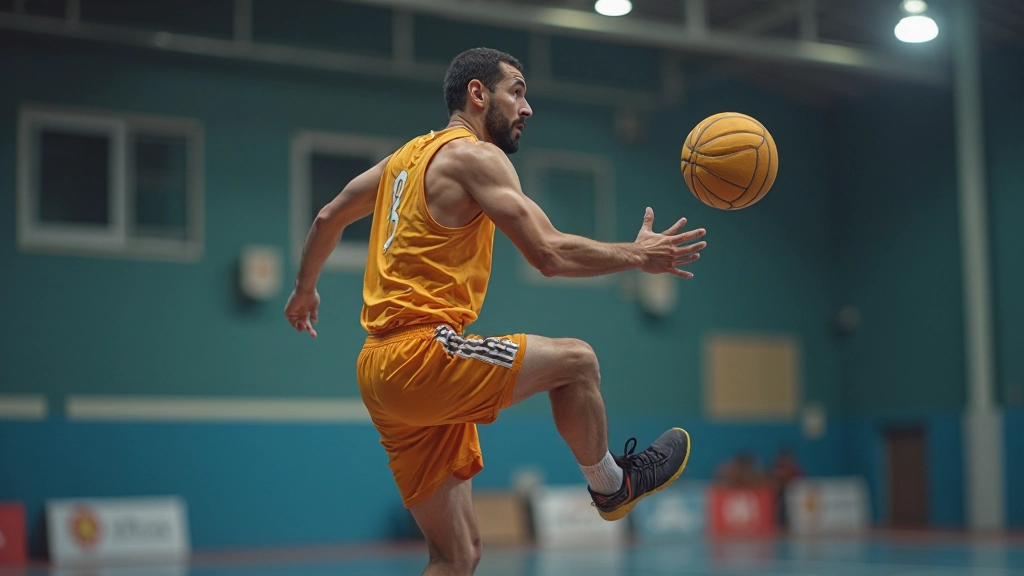
Jump shots generate maximum velocity through explosive leg drive and occur at the apex of vertical jump, creating height advantage over defenders. These shots require coordinated timing between the jump and arm motion, developing through dedicated practice. Jump shots prove particularly effective against taller defenders or goalkeepers.
Standing Shots
Standing shots utilize rotational power from the core and upper body, requiring less energy than jump shots. These shots work effectively from positions with open shooting lanes or when time constraints prevent jump shot setup. Standing shots form the foundation for shooting skill development.
Falling Away Shots
Falling away shots execute while moving backward, away from defensive pressure. These shots require exceptional balance and body control, as the shooter must maintain accuracy while retreating. Proficiency with falling away shots enables players to create scoring opportunities against aggressive defenders.
Penalty Shots
Penalty shots occur from the seven-meter line without defensive interference, allowing shooters to focus purely on accuracy and consistency. These unguarded opportunities require mental focus and execution under pressure, as successful conversion represents crucial match points.
Integration of shot variety into game situations develops through tactical training that combines skill execution with positional awareness. Players learn to recognize defensive formations and select appropriate shots that exploit available opportunities. This tactical dimension transforms shooting from isolated skill practice into contextual game application.
Structured Practice Progressions for Shooting Development
Developing shooting proficiency requires systematic practice progression that builds skill complexity gradually. Beginning with fundamental mechanics in controlled environments, players advance to increasingly realistic game scenarios that challenge technical consistency and decision-making.
Recommended Training Progression
1
Fundamental Mechanics
Focus on grip, footwork, and arm motion without defenders. Players execute shots from fixed positions, emphasizing technical consistency and muscle memory development.
2
Distance Variation
Perform shots from various distances and angles, developing accuracy across the shooting range. Players learn how distance affects required adjustments to shooting technique.
3
Passive Defense
Add stationary defenders to introduce spatial awareness without active pressure. Players develop ability to recognize open shooting lanes and adjust aim accordingly.
4
Active Defense
Include actively defending opponents who contest shots and create pressure. Players develop consistency under realistic match conditions with reduced shooting time and space.
5
Game-Situation Training
Integrate shooting into full-court training and small-sided games where players develop tactical decision-making alongside technical skill execution.
Consistent practice frequency and quality prove more valuable than occasional intensive sessions. Regular exposure to shooting scenarios builds neural pathways that support automatic skill execution under competitive pressure. Players should track performance metrics including shot accuracy percentages, enabling data-informed adjustments to training emphasis and technique refinement.
Related Handball Training Articles