Team Coordination and Tactical Communication
Develop effective communication systems, positional understanding, and coordinated gameplay to enhance team performance and strategic execution. Learn how elite handball teams synchronize movement, establish clear tactical signals, and maintain cohesion under competitive pressure.
Understanding Team Communication in Handball
Effective communication forms the foundation of successful handball teams. In a sport where split-second decisions determine outcomes, players must develop multiple communication channels—both verbal and non-verbal—to coordinate complex tactical movements. Team coordination extends beyond simple calls; it encompasses a comprehensive system of signals, positioning awareness, and shared understanding of game objectives.
Communication in handball serves several critical functions. It allows players to adjust defensive formations in response to offensive threats, synchronize attacking movements across multiple court positions, and maintain awareness of teammates' positions during dynamic play. Teams that excel in communication demonstrate superior game flow, fewer turnovers, and more efficient ball movement patterns.
Key Communication Elements
Successful handball teams integrate verbal calls, hand signals, eye contact, and positional awareness into a unified communication system that operates seamlessly during high-intensity competition.
The development of communication proficiency requires consistent training and deliberate practice. Teams must establish standardized terminology, practice signal recognition under fatigue, and build habits that become automatic during match conditions. Communication training should be incorporated into every practice session, not treated as a supplementary activity.
- Establish clear verbal signals for defensive adjustments and offensive plays
- Practice non-verbal communication including hand signals and eye contact cues
- Develop positional awareness through repetitive tactical drills
- Create standardized terminology that all team members understand
- Build communication habits through consistent practice integration
Tactical Positioning and Team Synchronization
Tactical positioning represents the spatial framework within which all coordinated movement occurs. Each player must understand not only their own positioning responsibilities but also anticipate teammates' movements and adjust accordingly. This creates a dynamic system where communication and positioning work in concert to create tactical advantages.
In modern handball, successful teams employ flexible positioning systems that adapt to opponent behavior while maintaining core structural principles. Players must master multiple positions, understand role variations within formations, and execute position-specific responsibilities with precision. Advanced teams develop positional intelligence—the ability to read game situations and adjust positioning without explicit instruction.
Synchronization drills build the muscle memory necessary for coordinated execution. These drills isolate specific tactical scenarios, allowing players to practice communication patterns and positioning adjustments repeatedly until they become instinctive. Video analysis of these drills provides immediate feedback and accelerates learning.
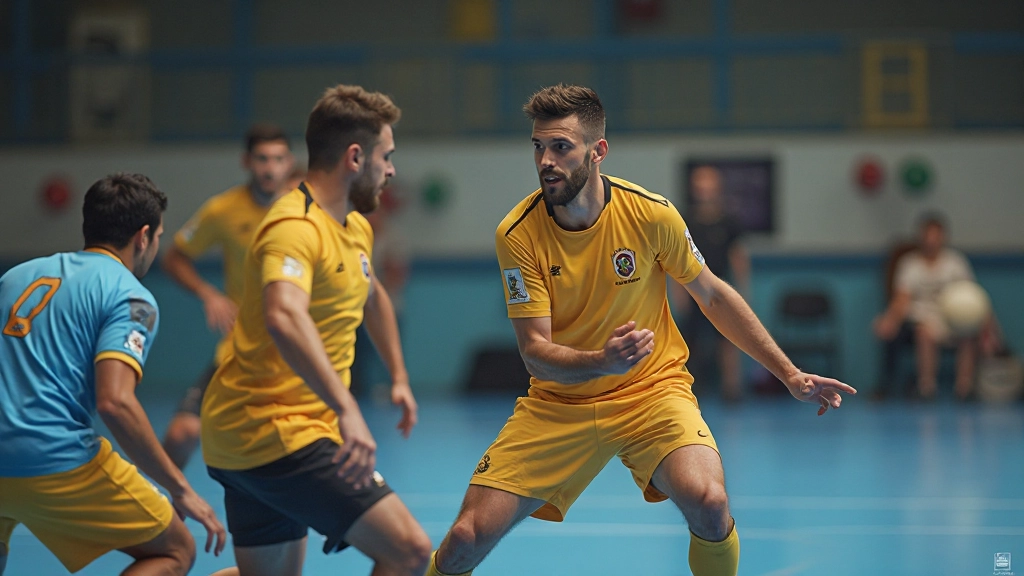
Building Effective Communication Systems
Constructing a comprehensive communication system requires systematic planning and consistent implementation. The process begins with identifying specific tactical situations that require communication, then designing signals and verbal cues for each situation. Teams should document these systems, create visual aids for reference, and incorporate them into regular training protocols.
Assess Communication Needs
Identify defensive transitions, offensive formations, fast-break situations, and crisis moments that require clear communication. Document specific scenarios where miscommunication has caused problems in previous matches.
Design Clear Signal Systems
Create intuitive verbal signals using single words or short phrases. Develop hand signals that are visible across the court and distinct from other movements. Establish voice commands that carry clearly in noisy environments.
Establish Positional Awareness Habits
Train players to continuously monitor teammate positions and opponent locations. Develop head-movement patterns that scan the court systematically. Practice awareness drills without ball involvement to isolate communication focus.
Implement Consistent Practice Integration
Incorporate communication training into every practice session. Start with low-intensity drills, gradually increase complexity and game speed. Dedicate specific practice segments to communication-focused objectives.
Evaluate and Refine Systems
Review match video to identify communication breakdowns. Analyze situations where clear signals prevented errors or created advantages. Continuously refine systems based on real-world performance data.
Leadership communication deserves special emphasis. Team captains and experienced players must model clear communication, acknowledge teammate efforts, and maintain positive feedback during competition. This creates a communication culture where all players feel comfortable contributing information and adjusting based on game situations.
Advanced Tactical Coordination Strategies
Elite handball teams develop sophisticated coordination strategies that create decisive tactical advantages. These advanced approaches build upon fundamental communication systems while incorporating greater complexity, faster decision-making, and adaptive responsiveness to opponent adjustments.
One advanced strategy involves developing flexible defensive systems that adjust in real-time without explicit instruction. Players learn to recognize offensive patterns and execute coordinated responses automatically. This requires extensive training where players practice recognizing triggers and responding with synchronized movement patterns.
Another sophisticated approach involves creating offensive coordination patterns that exploit specific defensive tendencies. Teams analyze opponent defensive habits, design coordinated movements that target weaknesses, and practice execution until the movements become instinctive. This combines tactical intelligence with physical execution.
Communication under fatigue represents another advanced consideration. As physical intensity increases and players tire, communication patterns often deteriorate. Advanced teams specifically train communication systems during high-fatigue conditions, ensuring tactical coordination remains effective throughout matches.
Educational Information Disclaimer
This article provides educational information about handball team coordination and tactical communication strategies. The content represents general approaches to team training and communication systems as practiced in handball athletics. Implementation of these strategies should be adapted to specific team contexts, player abilities, and coaching philosophies.
Individual results and team performance outcomes vary based on numerous factors including training consistency, athlete commitment, coaching expertise, and competitive environment. This information does not constitute professional coaching advice. Teams should consult with qualified handball coaches and sports professionals when developing or modifying training programs and tactical systems.
Related Training Articles
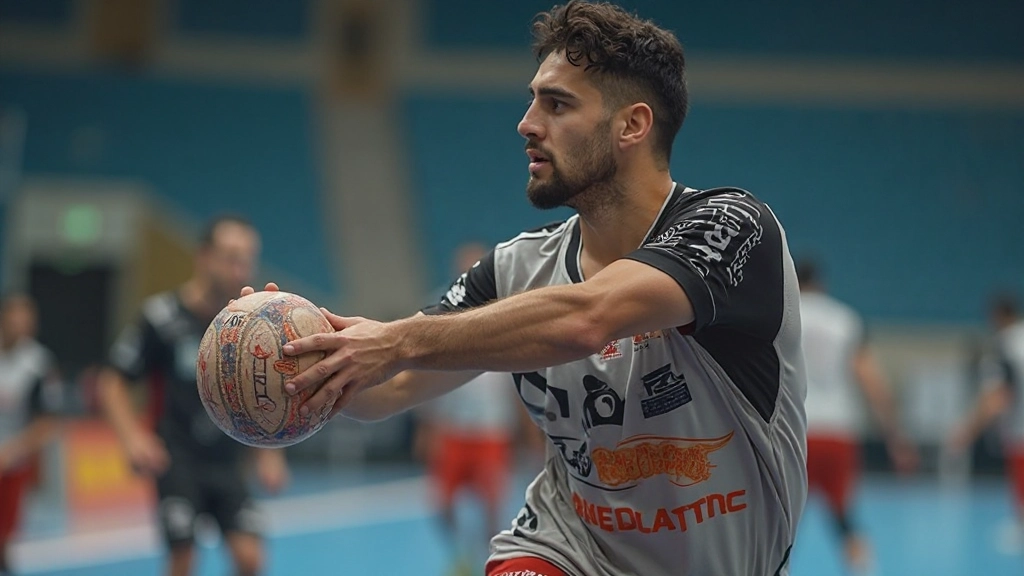
Essential Shooting Techniques for Handball Players
Master fundamental shooting mechanics including grip, footwork, and follow-through. Learn positioning variations for different court locations and defensive pressures.
Read Article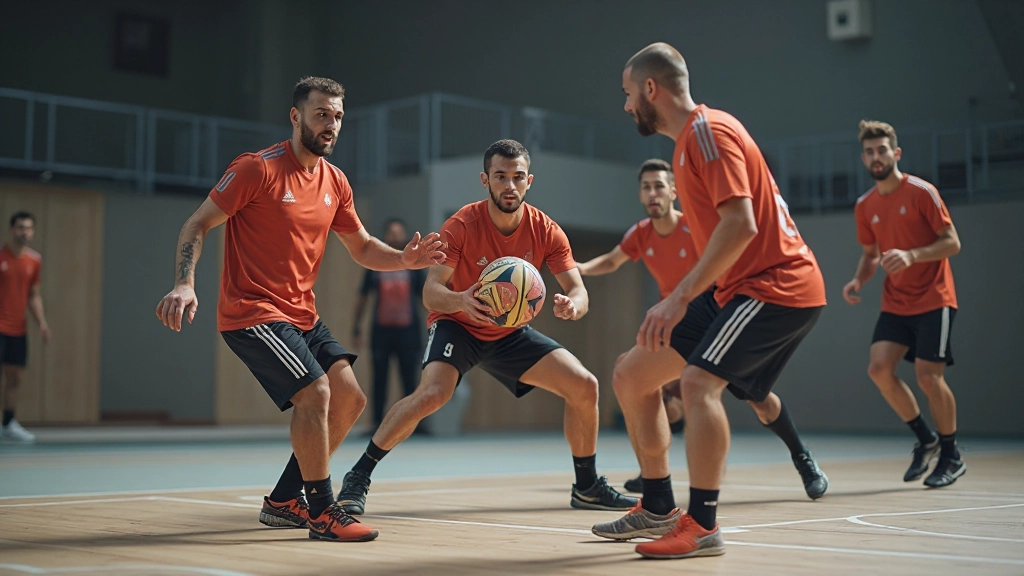
Defensive Strategies and Formation Drills
Explore defensive positioning, zone coverage systems, and coordination drills designed to strengthen team defense and reduce opponent scoring opportunities.
Read Article
Athletic Development and Conditioning Programs
Discover training protocols for building strength, endurance, and speed specific to handball demands. Learn periodization approaches and recovery strategies.
Read Article